What is the benefit of being able to change the Reverse Tension or “stiffness” of your Arrow Rest Launcher?
Target archers have long played around with stiffer and weaker blade rests in order to finetune the spines of their arrows… and although that is a completely untrue statement, the actual effect is 100% correct.
How does that work?!
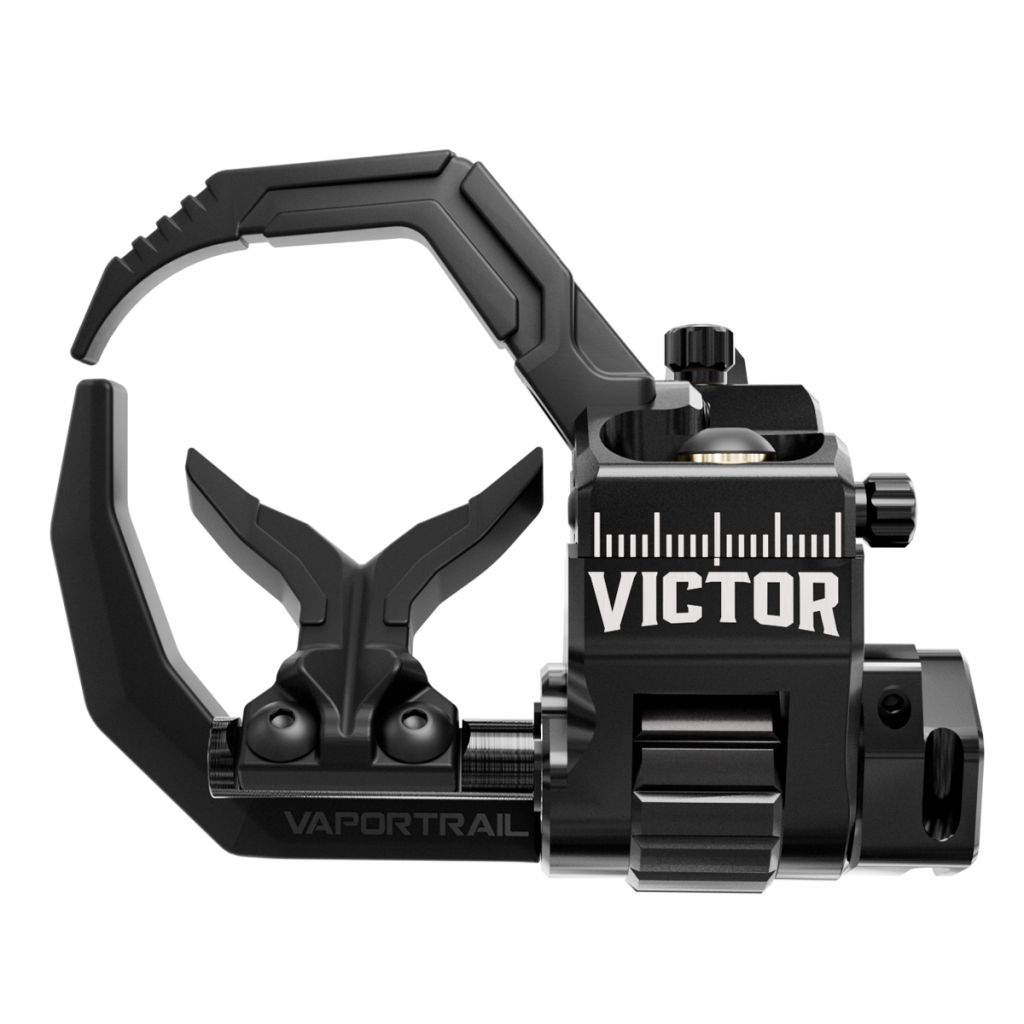
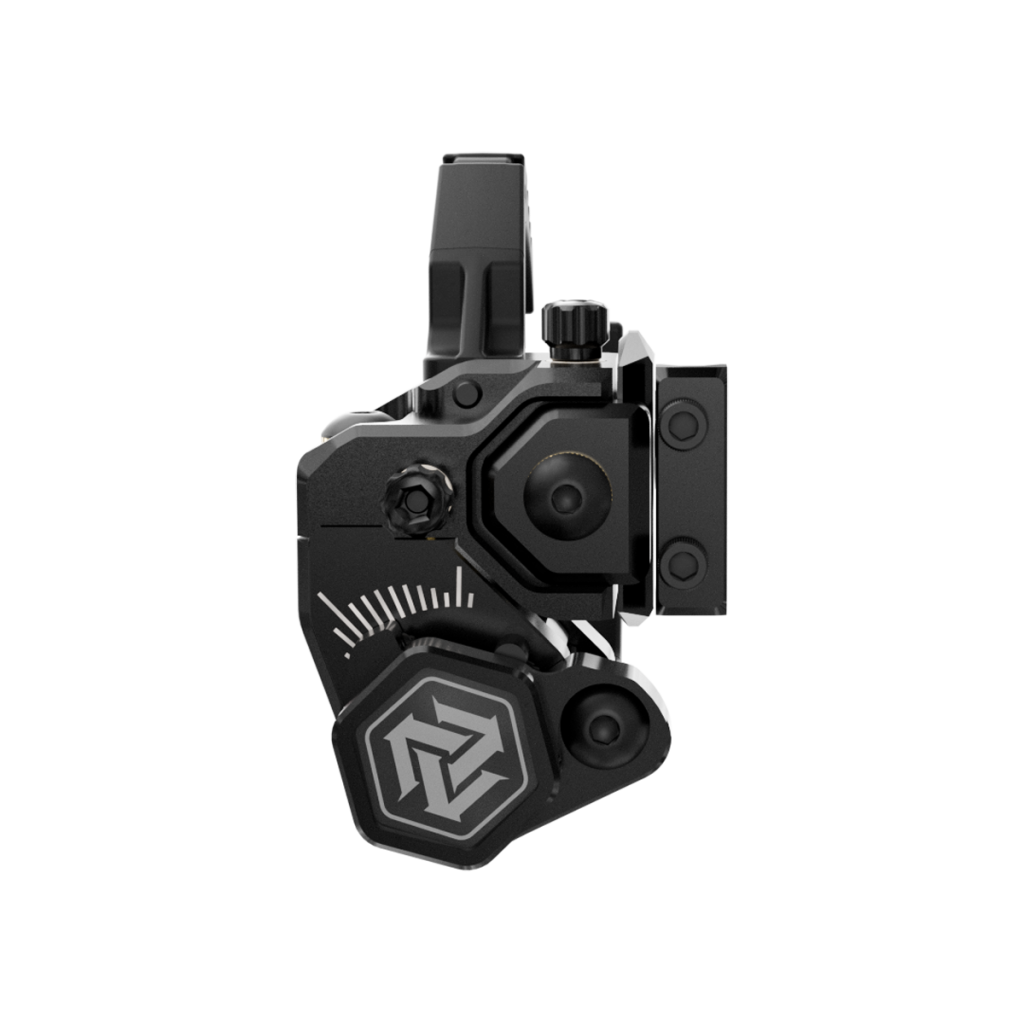
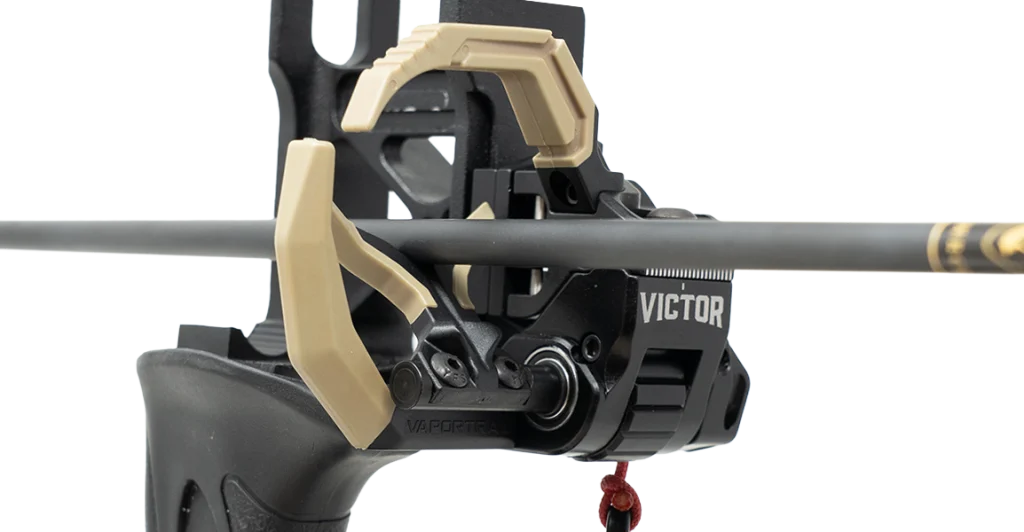
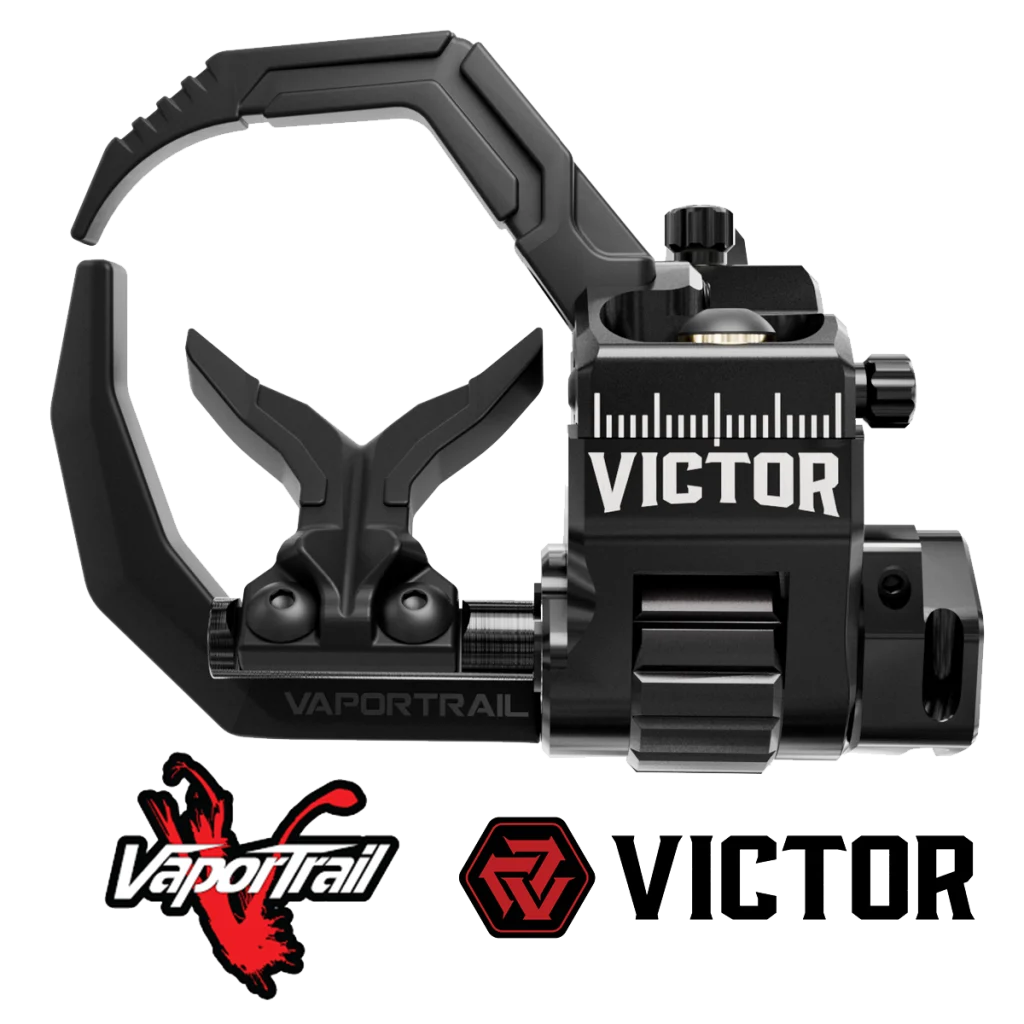
When Vapor Trail brought out the Victor, an arrow rest that prioritises launcher stiffness with reverse tension, to assist in finetuning and improve broadhead tuning for especially fixed blade broad heads, we started getting many more questions on what exactly is happening.
Let’s lift the veil…
The Launcher as Part of the Dynamic System
When an arrow is shot, it doesn’t fly rigid and straight off the bow — it flexes and oscillates (the “archer’s paradox”). The spine of an arrow describes its resistance to that bending. But spine isn’t just a fixed property of the arrow itself; it’s experienced DYNAMICALLY based on everything the arrow interacts with during the shot.
Why the Launcher Stiffness Matters
The launcher is a contact point during the power stroke. From the moment the string is released until the arrow clears the rest, the arrow is resting on (and pushing against) the launcher blade or arm. That contact point acts as a mechanical boundary condition — essentially a temporary support point along the arrow’s length.
Here’s the chain of effects:
A stiffer launcher offers more resistance to the arrow’s lateral flex. As the arrow bends during the power stroke, a stiffer launcher pushes back more firmly. This effectively dampens or redirects the initial bending wave, meaning the arrow behaves as though it has slightly more spine than it actually does — the rest is “helping” resist the flex.
A more compliant (softer) launcher moves with the arrow’s flex. It yields to the bending arrow rather than resisting it, providing less support. The arrow is freer to flex, and it behaves as though it has slightly less spine — or a weaker arrow dynamic.
The Practical Tuning Implication
This is why arrow rest launcher stiffness is a real tuning variable, particularly on drop-away and blade-style rests:
Stiffening the launcher → effectively increases dynamic spine (Useful if your arrow is slightly weak-spined for your setup)
Softening the launcher → effectively decreases dynamic spine (Useful if your arrow is slightly stiff-spined)
It’s a subtle effect compared to changing draw weight or arrow shaft spine directly, but it’s meaningful for fine tuning — especially at longer distances where small flight imperfections compounded.
The Broader Principle
This fits into the wider concept of dynamic spine — the idea that an arrow’s real-world bending behavior is a product of its static spine (measured spine + arrow shaft length) plus all the forces and contact points acting on it:
draw weight,
draw length,
point weight,
nock fit, and;
the mechanical properties of the rest it launches from.
So stiffening the launcher doesn’t change the arrow’s material properties, but it changes how the arrow experiences and expresses its spine during the critical launch window.